Showing posts with label writing blog. Show all posts

Wednesday, May 15, 2019

What Readers Want to Know…


Hi,

Today I’m answering a few fun questions about myself, my books, and writing in general.

Readers want to know…

How would you describe yourself using only five words?
Busy romance and horror author.

Do you have any guilty pleasures?
Of course! I lounge around on the couch in front of the TV when I should be writing, or cleaning, or doing something else. I usually devote my Friday nights to being lazy.

How do you get yourself in the mood to write?
I block out a chunk of time and review my outline. Then I envision the scene I want to write and just do it. My first draft is nowhere near perfect—at that stage, all I want to do is write the scene so it’s out of my head and on the paper. When I go back and revise, I add dialogue tags, sensory details, and fix up the word choices to make the scene come alive.

If someone hasn’t read any of your work, what book(s) would you recommend that they start with and why?
That depends on what genre they like to read. My romances include almost all genres, and the heat levels vary from mildly sensual to scorching-hot.

Historical romance lovers would enjoy Dangerous Indenture. It’s a full-length novel set in Pennsylvania Colony and blends a sensual romance with mystery and suspense. Or, if they like something with more adventure, they could read Loving a Wild Stranger. Redemption from a Dark Past is perfect for Gothic romance lovers.

Readers of historical/fantasy romance would like either the Royal Desires series (A Most Unusual Princess, A Most Intriguing Temptation, and A Most Unfortunate Prince) or the Naughty Nobles trilogy (Midsummer Night’s Delights, Midwinter Night’s Delights, and Ultimate Night’s Delights).

Contemporary romance readers can fall in love with Vinnie, the hero from A Deceptive Match, or Curtis, the sexy country singer from Trust with Hearts. Paranormal lovers would like Confessions of a Vampire’s Lover or Beauty & the Bigfoot.

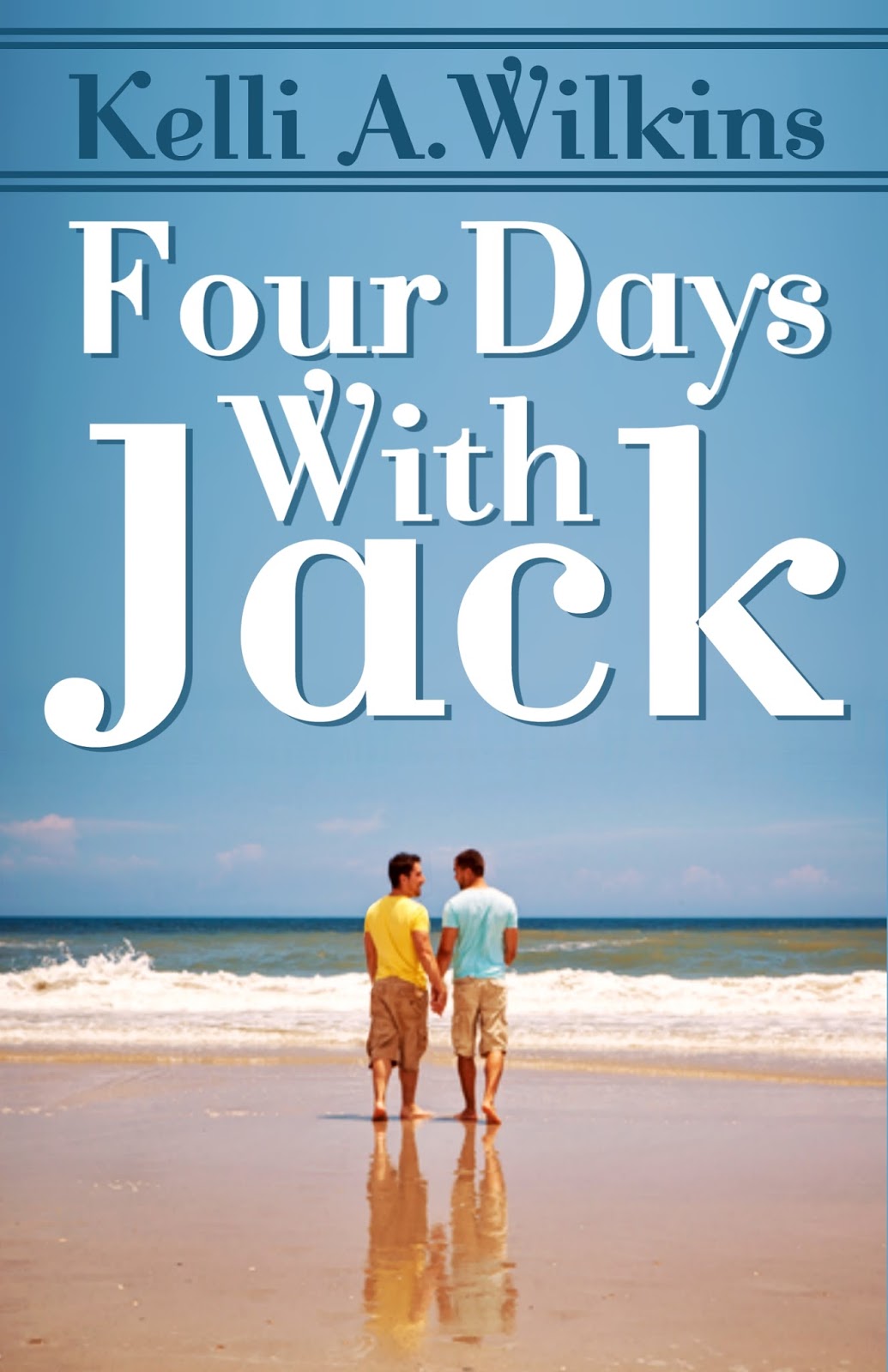
And readers of gay romance have a choice between A Secret Match, Four Days with Jack, or Killer in Wolf’s Clothing. I like to say I have romances for everyone!

Most people envision an author’s life as being really glamorous. What’s your take on this?
That’s a fantasy. People want to believe that writers sit around contemplating what to write all day, crank out a perfect book in a week, then sit back and collect outrageously huge checks. That’s fiction! Many non-writers don’t understand that creating a book out of thin air is a time-consuming (and sometimes frustrating) process that takes a lot of hard work and dedication.

I’ve had people ask me how come I don’t have a million dollars or why haven’t my books been on the New York Times Best-seller List yet. The reality is that some authors can and do quit their day jobs to write, while others put in 40 hours a week doing something else and then carve out time from the rest of the day to write. It’s not always glamorous, but creating characters and writing about them is fun, and that’s why I do it.

Do you ever feel forced to write?
Yes. Sometimes when I haven’t been writing for a while and I’m slacking off, a little voice pops into my head and says, “You’d better sit down and start writing something, now!” This usually happens after I’ve taken a week or so off after a new release to recharge.

Have you ever written about your own bad habits/personality flaws? 
I haven’t yet – at least not consciously! But Elara in A Most Unusual Princess can be pushy, stubborn, opinionated, and doesn’t always listen. (Some people might see a bit of me in her…) I do give my characters some of my better traits: a wacky sense of humor (Beauty & the Bigfoot), inner strength and determination (Dangerous Indenture) and belief in a good cause (Trust with Hearts). I like to include character traits or incorporate aspects of real people into my stories, so I always tell friends and family (and others), “be nice to me, or I might put you in a story.”

If you could invite any famous person, dead or alive, for lunch, who would it be and what would you eat?
I’d have lunch with Stephen King (his schedule permitting, of course). Most people probably don’t know that in addition to my romances, I also write horror fiction. I read Stephen King’s short stories at a very young age, and his writing style and distinct voice have always stuck with me. I think his book On Writing is a must-read for anyone who writes or wants to write. And lunch? We’d go someplace low-key and casual (like a retro diner that has its fair share of unique characters) and be so busy talking about all sorts of stuff (writing, the horror genre, Dwight Yoakam, and Lucas Davenport!) that we’d forget to eat!

Tell us about your latest release(s).
In March, I released Dangerous Indenture. This full-length novel is set in Pennsylvania Colony and blends a sensual romance with mystery and suspense. Earlier this year I published the second half of my flash fiction series, Cupid’s Schemes. These two volumes of lighthearted mini-romances are perfect reads for a quick lunchtime escape or an after-work indulgence. Readers can learn more about them on my website.

What’s next on the horizon for you?
Currently, I’m re-editing my historical romances previously published with Medallion Press. After that, I have ideas for a few other romances (a paranormal, and a gay contemporary). Of course, in between all this, I’m also working on a few new horror stories.

Where can readers get in touch with you or find you on the web?
I just launched a brand new website - www.KelliWilkins.com - same url, totally new look! It’s the best place to read about all of my books and find me on social media. There’s also a contact form where readers can get in touch with me and ask me questions or leave feedback. I invite everyone to stop by for a visit. I enjoy learning which books, characters, and scenes readers love best. 

Thanks for letting me share my thoughts today.

Happy Reading!

Kelli 


Thursday, January 10, 2019

Want to Learn How to Write? Don’t miss... You Can Write—Really!


Hello everyone!

If one of your goals is to write a novel or a short story this year, you’ve come to the right blog.

When people learn that I’m a writer, they often tell me: “I want to write a book, but…” and then they go into longwinded explanations about why they can’t write it. Usually they don’t know where (or how) to start, or they say they don’t have the time.

Well, I’ve got a solution for all that.

And as an author of more than 100 short stories and 19 romance novels, I’m often asked: Where do you get your ideas? How do I get published? How do you write a book? What advice do you have for writers who are just starting out? Do you have any writing tips? Can you help me?

Sure I can!

One day I started thinking about everything I’ve learned over the years, and inspiration hit me: Why not write a book on how to write? The result? You Can Write—Really! A Beginner’s Guide to Writing Fiction.

This fun and practical book walks you through the story-creating process step-by-step from getting a great idea to meeting your characters, developing a plot, and on to writing, revising, and submitting your work.

Each easy-to-read chapter is based on my years of experience as a writer, advice I’ve received over the years, and the technical “know-how” I’ve gained in writing classes and workshops. I also included helpful tips all writers can use, plus easy writing exercises to get you motivated.

I’m an eclectic writer, and that means I write everything—short horror fiction, full-length romance novels, science fiction, and non-fiction. People are always asking me, “How can you write in so many different genres and styles? What’s the secret?”

It’s really not that difficult. Why? Because the basic mechanics of good storytelling are universal, no matter what genre you write. Every fiction story contains the same ingredients: an interesting and engaging plot, characters the reader cares about and roots for, supporting details, and background that draw the reader into the story.

Once you have the basics down, you can write—really! Here are a few quick tips and writing exercises:

TIP: Set aside an hour a day to write. Not sure you have an hour? Consider writing on your lunch break or during a commute. Get up an hour earlier or schedule time after dinner. Make an appointment with yourself and keep it. You can also write in two blocks of 30 minute sessions.

TIP: Keep a pen and paper (or a voice recorder) with you at all times to note bits of dialogue you overhear, something strange, funny, or creepy you see, or anything else that captures your attention and could be used for a story.

EXERCISE: Write three to five dialogue exchanges where two characters meet for the first time. What do they talk about? What is happening in the scene or around them?

EXERCISE: All characters want something, whether it’s a cup of coffee, a new car, to escape from jail, to eat lunch, or to finish a big project on time. Brainstorm five things your character wants, large or small. Here are some examples: woman wants to escape her abusive husband; man wants to bury a body; private investigator wants to find a blackmailer; fifth grade kid wants to get away with cheating on a math test.

Here’s the book summary:

You Can Write—Really! A Beginner’s Guide to Writing Fiction

Have you always wanted to write?

Are you looking for an extra boost of motivation?

Do you have a great story idea, but don’t know how to develop it?

If you’ve always dreamed of writing and getting published, but have no idea where or how to start—THIS is the book for you!

You Can Write—Really! is an easy guide designed for beginner writers who need a boost of motivation and simple instructions on how to get started.

Award-winning author Kelli A. Wilkins takes you step-by-step through the writing process, covering the basics of plotting, editing, revising, and submitting. She explores ways to get your creativity flowing, explains where authors get ideas, and shows you how to create interesting characters for your story.

Contains helpful tips all writers can use, PLUS fun writing exercises to get you motivated!


Ready to write? Order your copy here:


All other platforms: https://books2read.com/u/4AqYN4

Happy Reading (and Writing!)
Kelli

Wednesday, March 21, 2018

You Gotta Read... Talks with Kelli A. Wilkins


Hi everyone!

Today I’m sharing Part 1 of my interview with "You Gotta Read!" I answer a few background questions & share some writing advice…

Q. Where do you hail from? What do you love most about your hometown?
I was born in New Jersey, but I was raised in a small town in upstate New York. Voorheesville was very rural and there wasn’t a lot to do, so I became an avid reader at a young age. Our house was on the outskirts of town. We had a creek in the back yard, and my brother and I used to go wandering up into the mountains to explore. Living there helped fuel my imagination and inspired some of my short stories.

Q. How has your environment/ upbringing colored your writing?
Growing up in rural NY (in the woods, as I sometimes say) helped me understand small town life, and get a great respect for nature. When I want to tap into the horror side of my imagination, I think about how it was to grow up in an environment where houses were far apart, there were no streetlights, and you could drive into really creepy and desolate areas and not see any people.  Most of my short horror fiction takes place in small towns (usually on or around Halloween). Autumn is my favorite season, and Halloween is my favorite holiday!

Q. How do you come up with the titles for your books?
Titles are tricky! Sometimes I’ll know the title before I start writing the story. That happened with several books: Four Days with Jack, Beauty & the Bigfoot, Trust with Hearts, and Confessions of a Vampire’s Lover. Other times, I won’t know the title until I’m almost ready to send the book out! Usually I’ll have a few ideas for a title, based on the characters, the setting, or theme, then I take a survey of my writing friends and family to see which one they like best. My husband has come up with a few great titles.

Q. What advice would you give to writers just starting out?
No matter what genre they write, I’d advise new writers to take writing classes (either online or in person) and learn all you can about crafting a story. Telling a story is the main focus of being a writer. You have to be able to think of an idea and write/revise a good story before you can do anything else. Reading “how-to” writing magazines and joining critique groups are also excellent ways to learn techniques and get feedback from readers and/or other writers.

I get asked this question all the time, so wrote You Can Write—Really! A Beginner’s Guide to Writing Fiction.The book gives you practical advice on how to create a story, step-by-step: from getting a great idea to meeting your characters, developing a plot, and on to writing, revising, and submitting your work. It also includes fun writing exercises and tips all writers can use.

Q. Is there anything you find particularly challenging about writing?
Coming up with ideas for my stories is the fun part of writing. The challenging part is sitting down and doing the work that comes next: the revising, editing, and proofreading of a manuscript. That part of the process isn’t hard, it’s just not creative. You have to turn off the imagination part of your brain and get to work on the technical aspects of writing.

Q. When you’re not writing, what do you do for fun?
I enjoy traveling, gardening, reading, going to flea markets, hanging out with my husband, and visiting friends. I also like to explore creepy/haunted places.

Thanks for letting me share my thoughts! I welcome questions and comments from readers, so feel free to drop me a line. Let me know which of my books is your favorite, and which characters you love best. I invite everyone to visit me on social media for book updates, excerpts, and more.

Newsletter sign-up: http://eepurl.com/HVQqb

Tuesday, October 17, 2017

Writing Horror Fiction 101


Hi everyone,

It’s October, and my favorite time of year! It’s the perfect season to read, write, and think about horror stories…

As most people know, I divide my time between writing horror and romance. When it comes to horror, I’m always asked a lot of questions: How does a person write a horror story? What makes a great one? How can you make a convincing story about a monster if monsters aren’t real?

I answered all of these questions in my non-fiction writing guide, You Can Write—Really! A Beginner’s Guide to Writing Fiction. Here’s an excerpt from the section on writing horror:

First, it’s important to realize that horror can take many forms – gore-filled splatter-punk with buckets of blood… mysterious, cursed people living in isolated Gothic castles (or tropical islands)… psychological unsettling horror that makes you feel uneasy… or your ordinary “classic” monsters such as vampires, ghosts, zombies, and werewolves.

My horror stories tend to be based in psychological terrors rather than blood and gore. They’re set in a wide range of seasons and settings, and my characters run the gamut from small children (The Ape) to mentally fragile suburban housewives (Sometimes Monsters are Real).

Each kind of horror story has its fans, probably because different people are scared of different things (heights, monkeys, bridges, etc.). But whatever type of horror story you write (or read) there are a few universal elements that should go into any horror tale.

Horror readers want to be scared (or at least made to feel nervous), so start scaring people on page one. Use a clever hook, details, and setting to pull readers in. Start with a pool of blood on the floor or give us all the details of your haunted house. Let readers experience what it feels like to be chased across a field by a werewolf.

In horror, you can write almost anything and get away with it. Play on childhood fears and things people hate (or are afraid of). Here’s a short list: cats, clowns, creepy dolls, being buried alive, stuffed moose heads, basements, closets, the dark…

While you’re writing, keep the tension and suspense constant. Enhance anticipation and fear in layers. Your novel or short story needs twists and turns to keep the reader engaged and wondering, “What happens next?” Be sure to end scenes (and/or chapters) with a cliffhanger or another danger.

As with any story, the author has to establish a believable setting. Whether your tale takes place in a gritty, post-apocalyptic city or a foggy rural graveyard, you need to give your readers a concrete foundation of where the story is taking place.

Readers want to feel as if they are there, experiencing the events along with the main characters. Use lots of details (sights, smells, sounds) and props to make your descriptions come alive. My story, Kropsy’s Curse makes great use of setting. What’s better than a horror story set in a graveyard on Halloween?

Remember, your job as a writer is to get readers to suspend their (dis)belief and buy into your story. You don’t have to go into a lengthy explanation of how these strange things are possible, just give your readers a compelling reason, have your characters believe it, and move on. In my novella, Dead Til Dawn, the heroine finds herself transported back in time after walking through a mysterious fog. She doesn’t understand how or why it’s possible, but she’s forced to accept it… if she wants to survive.

If your antagonist is a monster (of the non-human variety) you must believe your monster is real (whether he’s a vampire, a werewolf, or a slimy sewer creature). If you don’t write the creature believably, readers won’t buy into it. Make your monster as real as any other human character and show him in action.

And because your monster is not human, it’s okay for readers to hate him. They should know he’s bad news from the start of the story, so make him awful. You don’t want readers (or other characters) sympathizing with your monster — you want them to fear him.

If your monster is human (serial killer), depict him at his worst. Don’t shy away from showing him doing really bad, socially unacceptable things. Horror stories are generally dark and explore themes and ideas that expose the bad side of people. If you’re not comfortable going to “the dark side” to write terrifying stuff, you may want to consider writing thrillers or suspense stories.

Your human “monster” needs to be fleshed out. Develop his character through details, give him a history, and show why he’s so warped. If your villain is a racist, show readers how nasty he is through his actions, dialogue, or vocabulary. Make readers hate him. Get readers emotionally involved so they can’t wait for him to get what he deserves in the end. (And he will!)

When creating a human monster, take cues from reality. Most predators are cunning, manipulative, without remorse or conscience, and have a sense of entitlement. They’re great at tricking people and identifying weak spots or vulnerabilities. They are practiced liars and good at covering their tracks to avoid detection. In general, people underestimate them. Many serial killers blend into society and nobody suspects a thing—now isn’t that scary?

And try to avoid clichés like the plague! Masked killers hunting campers in the woods, serial-killing cannibal families, miserable Goth vampires in period costume, and mindless zombie attacks have all been done to… well, death. And please don’t mix monsters. Only include one primary menace/monster in your story. Don’t have vampires, werewolves, zombies, and demons attacking a cursed town during a full moon on Halloween. It’s overkill – and not in a good way.

When writing horror, don’t be afraid to break patterns, make your characters different, or have them go against stereotype. Give readers something unexpected, turn a cliché on its ear, or use a different point of view – it’ll make your work stand out. Why not set your werewolf story in Hawaii? My paranormal romance, Confessions of a Vampire’s Lover, takes place where you normally don’t find vampires... the beach!

We all know that October is “horror month” because of Halloween, but there are plenty of spooky things going on the rest of the year. Loyal readers and writers of horror fiction know that a good horror story is just as scary on a warm June day as it is at midnight on Halloween. Remember, JAWS took place in the summer, and a haunted house can be terrifying on a rainy March afternoon…

Remember, when writing horror, the only limit is your imagination!

Here are two writing exercises to motivate you to write a horror story of your own. How will you scare people?

EXERCISE 1: Take one of these first lines and write a few paragraphs about it. See what ideas come to you as you start writing.

Steve knew his house was haunted, but that didn’t bother him. He had bigger problems.

On a warm June day, the body of Ann Marie Duncan washed up on shore.

Mike got a strange call from Dave on Friday. After that, he never heard from him again.


EXERCISE 2: Here are some wild “what if” questions to get you thinking about story ideas. Pick a few and write three to five paragraphs about each. What if…

…your character inherited a haunted house and knew the ghosts?

…a killer picks his victims according to their birth sign?

…the weird Goth kid down the block really is a vampire?

…a woman finds a blood-soaked clown hiding in her garage?

Ready to write? Order your copy of You Can Write—Really! here:


Next week I'll be sharing a look at my favorite horror movies! Stay tuned to be scared!

Happy Haunting,

Kelli

Tuesday, June 13, 2017

Writing Gay Romances - 4 FAQ


Hi everyone,

To celebrate Pride month, I'll be showcasing my three gay romances on my blog. Last week I shared new release information about Four Days with Jack. Today I'm answering a few FAQ about writing gay romances.

As most readers know by now, my romances cover nearly every genre and vary in heat level from mild to super-spicy. People have different reactions when they learn what I write. (Sometimes they gasp and pretend to be horrified, and then ask me if I “act out” my love scenes at home.)

But when people find out that I write gay romances—that really gets them going! “Why would you write one of those? You’re not a man or gay.” (Here’s my turn to gasp and act surprised. Really? You’re kidding!) I generally respond with: “Why shouldn’t I write gay romances? I wrote a vampire romance, and I’ve never been a vampire.” (That usually quiets people down for a while.)

I get a lot of questions about “why” or “how” I write gay romances. Here are the top four, along with my answers.


You’ve written lots of straight romances. Why write gay romances?
Why not? I’m a writer. And as a writer, I write whatever romance book comes to me, whether it’s a contemporary, historical, paranormal, or gay romance. My stories are about people who meet, fall in love, and overcome obstacles to be with each other.
 
This basic philosophy applies whether the characters are same-sex, different sex, or space alien and earth girl. Love is love and romance is romance. I’m not married to one specific genre or heat level. I go where the story and the characters take me.

When I wrote Four Days with Jack, A Secret Match, and Killer in Wolf’s Clothing I trusted my instincts and wrote the story that was in my head. Although all three books are contemporary gay romances, they’re very different.

In A Secret Match, a big part of the storyline centers around Everett dealing (or rather, not dealing) with his sexuality, and his (un)willingness to be open about who he really is. Ev has been in a committed relationship for years and is afraid that if he doesn’t come out, he’ll lose the love of his life. He’s also worried about his career. How will the world view a gay wrestler? Will there be backlash if he comes out?

Conversely, David, from Four Days with Jack, has never come to terms with his sexuality. He’s been lying to himself for years about his orientation and hiding his true desires. David has always loved his gay best friend (Jack) and has fantasized about being his lover, but he lacked the courage to admit his feelings—until now.  

The main characters in Killer in Wolf's Clothing are comfortable with their sexuality, but have other issues to deal with (like shapeshifting and a serial killer). This super-hot paranormal is a fun look at the werewolf legend and blends romance, mystery, danger, humor, and sizzling love scenes.

How do you write the gay love scenes?
I approach a same-sex love scene the same way I would if I was writing about a hetero couple. When I write a straight romance, about half of the scenes are written from a male point of view. So I have experience thinking about scenes from a male perspective anyway.

There’s not much difference in writing a story from two male points of view. Writing a love scene isn’t only about the gender or the anatomy of the characters—it’s about creating a believable, intimate scene where two people express their love for each other.

Each character in each book is unique, so the love scenes are always approached from different directions. In Four Days with Jack, David is introduced to a world of new experiences. Everett and Josh’s first kiss in A Secret Match was a tender and sweet moment; while the first time readers meet Deke from Killer in Wolf’s Clothing they realize he’s anything but shy.


What’s the hardest part about writing a gay romance?
The answer to this is quite surprising, and no, it has nothing to do with bedroom activities. The hardest part about writing a same-sex romance or love scene is pronouns.

As I’m writing, I’ll dash off something like: “He ran his hand down his chest and…” Wait, what? He ran his own hand down his own chest? No… I have to pay extra close attention when revising or editing a same-sex scene. Too many “his” references and the reader doesn’t know who is doing what. Better to say: “He ran his hand down Kevin’s chest and...”


Are you concerned about what people will think about you writing gay romances?
Not in the least. People will think whatever they want. I realize that not everyone wants to read the same type of romance. Some readers love historicals, others only read contemporaries or paranormals, and that’s fine. But if readers are turned off to me as an author just because I write gay romances… well, that’s too bad, see ya.

When I wrote my first gay romance, I considered “what people would think” about the book and me writing it—for about three seconds. Then I reminded myself that I’m a writer, and I create the characters and scenes that make up the book.

I don’t worry about what people might think of me writing about two male characters kissing, going to bed, or making dinner. Basically, the story needs to be told, and I’m the one telling it. As a writer, I’ve made up all sorts of things: an erotic Bigfoot story, a historical Viking tale, detailed ménage scenes (in all combinations), and a first-person vampire love story.

Now more than ever, I’m just as proud of my gay romances as I am of my straight romances. Why? Because I’m a romance writer—and in my books, everyone deserves to be in love and live happily-ever-after with whatever partner they choose.

And that’s the way it should be… in fiction and in real life.

Happy Reading!
Kelli


ABOUT THE AUTHOR

Kelli A. Wilkins is an award-winning author who has published more than 100 short stories, 19 romance novels, and 5 non-fiction books. Her romances span many genres and heat levels.

Her third gay romance, Four Days with Jack, was released in June 2017. Kelli’s trilogy of erotic romance novellas, Midsummer Night’s Delights, Midwinter Night’s Delights, and Ultimate Night’s Delights was published in spring 2017.

Loving a Wild Stranger was published in January 2017. This historical/pioneer romance is set in the wilds of the Michigan Territory and blends tender romance with adventure.

Kelli's third Medallion Press romance, Lies, Love & Redemption was released in September 2016. This spicy historical western is set on the Nebraska prairie in 1877.

Her writing book, You Can Write—Really! A Beginner’s Guide to Writing Fiction is a fun and informative guide filled with writing exercises and helpful tips all authors can use.

Kelli posts on her Facebook author page: https://www.facebook.com/AuthorKelliWilkins and Twitter: www.Twitter.com/KWilkinsauthor.

She also writes a weekly blog: http://kelliwilkinsauthor.blogspot.com/.
Visit her website, www.KelliWilkins.com to learn more about all of her writings, read book excerpts, reviews, and more. Readers can sign up for her newsletter here: http://eepurl.com/HVQqb.


CATCH UP WITH KELLI

Here are a few links to find Kelli & her writings on the web
Website: http://www.KelliWilkins.com
Newsletter sign-up: http://eepurl.com/HVQqb


Thursday, June 11, 2015

Kelli's Quill - May/June Summer Issue


Kelli’s Quill

Welcome Summer Issue!

May/June 2015

I hope everyone is enjoying the warm weather and are making plans for a fun summer! This month in the Quill I’m sharing a few 5-star reviews for my writing book and posting an interview excerpt.

It's a double-issue, so let’s get started!


5-Star Reviews for You Can Write – Really!

My writing book, You Can WriteReally! A Beginner’s Guide to Writing Fiction, has gotten several excellent Amazon reviews.
Have you always wanted to write?
Are you looking for an extra boost of motivation?
Do you have a great story idea, but don’t know how to develop it?

Then THIS is the book for you!


You Can Write—Really!  is an easy guide designed for beginner writers who need a boost of motivation and simple instructions on how to get started

Award-winning romance author Kelli A. Wilkins takes you step-by-step through the writing process, covering the basics of plotting, editing, revising, and submitting. 

She explores ways to get your creativity flowing, explains where authors get ideas, and shows you how to create interesting characters. Helpful tips and fun writing exercises get you started!

Order your copy here:


Here are excerpts from those great reviews I mentioned:

Long and Short Reviews gives it 5 stars!
“If you’ve ever wanted to write fiction, then you will want to read this book. In fact, this book has tips and techniques that will help not only beginners, but more advanced writers as well. All aspects of the craft of writing are covered, in the order that they are needed. The author is positive and up-beat as she encourages her readers. There are writing exercises in each section and I found these exercises to be interesting, with very specific suggestions made in ways that encourage the reader’s creativity. The chapters flow well, and the book is captivating, truly aimed at bringing out the best in the reader. 5 stars!” 

Cozie Corner says:
“I give YOU CAN WRITE—REALLY! a 5 star rating. The Author, Kelli A. Wilkins pens YOU CAN WRITE—REALLY! in practical wording and easy to follow advice on how to write. I love how she broke down each section of the writing process and includes exercises on each topic she touches. Honestly I'm not a writer, but after reading this book I can see me giving it a try....  I highly recommend this book to everyone and anyone who ever wanted to write their own books, as well as those who have written books before.”


The Book Junkie writes:
I give it a 5 star on well written, written in a way to easily help you write and help you achieve those goals of having a 5 star book yourself one day. I think this book gives you a lot of good tips of writing and how to get to where you are looking to go with your book. This book I think gives you exactly what you are looking for and more. It will help you to write the book you are aiming to write, the pointers you need to make it successful and more.”


The Literary Nymphs review:
YOU CAN WRITE—REALLY! A BEGINNER’S GUIDE TO WRITING FICTION has a lot of very practical advice that is easy to understand and follow. The author did a good job breaking up the various components of writing a book or short story, making you think you are in a creative writing class as opposed to an English class. Each section of the book was followed by exercises that used the principles she was trying to convey. I loved this book and the way it is so easy to understand and follow. The author did good job in organizing it. Whether you are someone just starting or someone with some publications, this is a good book for the bookshelf.”

Amazon Reviewer Nerdy Girl has this to say:
YOU CAN WRITE—REALLY! isn’t just for beginning writers, it has something for writers at every stage. With sections such as Meet the muse, Excuses, Ideas, Characters, Marketing, etc., whatever you're looking for, there's something here to learn from. This book breaks down the writing process and shares tips and tricks to help you to learn and grow. I highly recommend it as a reference and as a way to inspire and encourage you to move past writing blocks, and tap into your creativity.


Another Amazon Reviewer, Sally R., says:
I've read some of Kelli's short horror stories and really enjoyed the creativity behind them. When I saw that she published a beginner's guide to writing fiction, I was really excited to read it. I enjoy writing, but feel as though I could never really get my thoughts down on paper. I struggle with editing and had no idea how to submit to publishing houses. She explains everything step-by-step to avoid overwhelm and makes getting published completely attainable. I especially found the writing exercises to be useful to get my creative juices flowing! “


Q&A with Kelli

Here are a few questions I’ve been asked recently. If you have a question you’d like me to answer, send it to me and I’ll answer it in an upcoming issue of the Quill!

For readers who haven't tried your books yet, how do you think your editor or loyal readers would describe your books?

Reviewers and readers have fallen in love with my unique characters and far-from typical storylines. My romances aren’t just about two people falling in love – I include interesting plots and blend in mystery, danger, adventure, or comedy to make them stand out.

I strive to give readers a happy-ever-after romance. I hope that they would think the book was a fun and sexy read, that they loved the characters and rooted for them to be together. (I’d also hope readers would recommend it to friends!)

Has there been any characters that started off as supporting characters, but then developed into a more prominent character?

Oh yes! This has happened several times. It first began with my historical/fantasy novella A Most Unusual Princess, I liked Dalton and Elara so much that I wrote a full-length sequel about them, A Most Intriguing Temptation. Then, while writing that book, I absolutely fell in love with Prince Allan (Elara’s brother), and knew he had to have his own book – so I wrote A Most Unfortunate Prince

A similar situation happened when I wrote Midsummer Night’s Delights. It was supposed to be one story, but turned into a trilogy and was followed by Midwinter Night’s Delights and Ultimate Nights Delights.

I’m proud of all the books in these trilogies. Each one was a lot of fun to write, and I enjoyed following the characters through their adventures. Because I wrote each book without intending on making a trilogy, each book stands alone as an individual read.

A Secret Match is a follow-up (of sorts) to my other wrestling romance, A Deceptive Match. That book was all about a straight couple (Vin and Danni) and Everett (the main character from A Secret Match) was a secondary character. I loved writing for Ev and always thought “one day” I’d give him a book of his own, but I didn’t have a clue as to what the story would be. I put thoughts of him aside and then one morning he popped into my head with a four-line book summary. Within an hour, I had the whole story in my head and I started writing.

What three words best describe your main characters? 

Over the years, I’ve created dozens of interesting and unique characters. The main characters in my three recent books could be described as: determined, flawed, and hopeful.

What’s next for your writing? Are you working on a new story?

Right now, I’m revising a new historical romance and gathering ideas for a paranormal, and another gay contemporary. 

In the horror department, I’m working on a few short stories. My latest Halloween tale, “Home for Halloween” was published in the Moon Shadows horror anthology. Read more about it here: http://www.amazon.com/dp/B00N232UEG

Enjoy the summer!
Happy Reading,
Kelli

CATCH UP WITH KELLI

Here are a few links to find Kelli & her writings on the web
Newsletter sign-up: http://eepurl.com/HVQqb